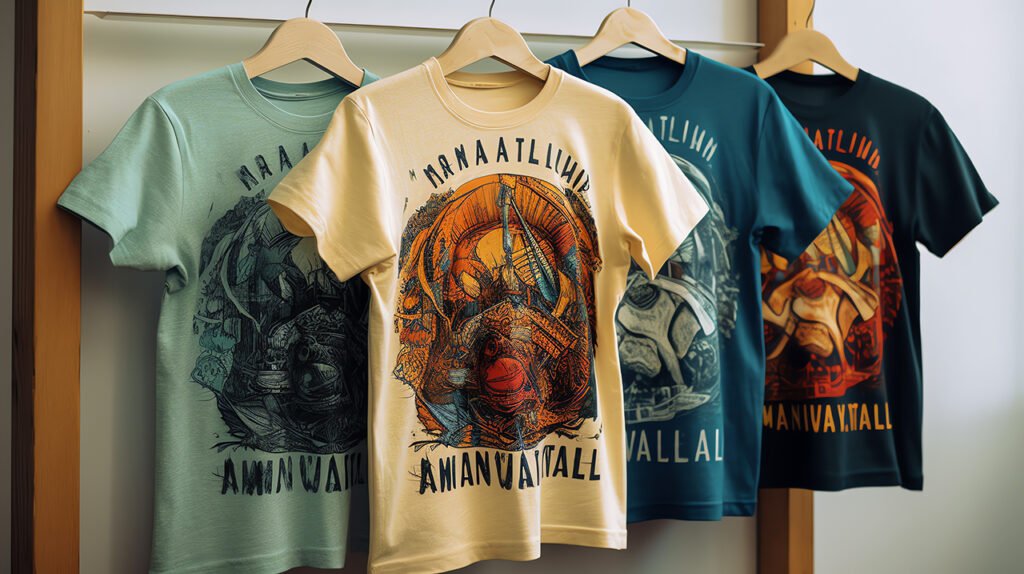
Introduction to Eco-Friendly Fashion Trends
Explore Eco-Friendly Fashion: Best T-Shirts to Look Out for in 2026. Discover sustainable styles and stay ahead in eco-conscious trends! In recent years, the fashion industry has faced increased scrutiny due to its significant environmental impact. From resource-intensive manufacturing processes to wasteful practices, traditional fashion has drawn considerable criticism for contributing to pollution, resource depletion, and climate change. As a result, the concept of eco-friendly fashion has emerged as a vital alternative, advocating for sustainable practices that benefit both consumers and the planet.
Eco-friendly fashion refers to clothing that is designed and produced with ecological considerations in mind. This approach often includes the use of organic materials, sustainable manufacturing processes, and ethical labor practices. Consumers are becoming increasingly conscious of their purchasing decisions, seeking brands that prioritize sustainability and social responsibility. Consequently, the demand for eco-friendly apparel is rising, and this shift is shaping market trends toward more conscious consumption.
2026’s Must-Have Eco-Friendly T-Shirts for Sustainable Fashion
As more individuals begin to recognize the importance of sustainable clothing, eco-friendly fashion brands are gaining traction. These companies typically focus on creating products that reduce their carbon footprint and utilize resources more efficiently. For instance, many eco-conscious labels are now adopting innovative materials, such as recycled fabrics and organic cotton, to minimize waste and promote environmental sustainability.
The growing interest in eco-friendly fashion has also sparked conversations surrounding the overall impact of the fashion industry on our planet. With consumers increasingly aware of issues like fast fashion, the tide is turning toward higher quality, longer-lasting garments. In this context, sustainable t-shirts have become a focal point, exemplifying how style can coexist with environmental responsibility. In the sections that follow, various eco-friendly t-shirt options that promise to cater to the evolving preferences of consumers will be explored.
Top Eco-Friendly Materials for T-Shirts in 2026
As the fashion industry increasingly shifts towards sustainability, the choice of materials used in the production of t-shirts has become paramount. In 2026, several eco-friendly materials are leading the charge, each offering unique environmental benefits that contribute to a more responsible fashion industry.
One of the most recognized sustainable materials is organic cotton. Unlike conventional cotton, which relies heavily on pesticides and fertilizers, organic cotton is grown without synthetic chemicals. This not only promotes healthier soils but also reduces water consumption significantly. Brands are adopting organic cotton not merely for its sustainability but also for its softness and durability, making it ideal for t-shirt production.
Another innovative material gaining traction is Tencel, derived from sustainably sourced wood pulp, predominantly from eucalyptus trees. The production of Tencel involves a closed-loop process that recycles water and solvents, minimizing environmental impact. Tencel is not only biodegradable but also breathable and moisture-wicking, providing a comfortable wearing experience.
Fashion Forward: Eco-Conscious T-Shirts to Consider in 2026
Hemp is also making a strong comeback in the fashion scene. Renowned for its low environmental footprint, hemp requires minimal water and no pesticides. The strong fibers of hemp not only ensure durability in t-shirts but also allow for natural insulation and breathability, catering to both comfort and wearability.
Lastly, recycled fabrics are revolutionizing the industry by transforming pre-existing materials (like discarded plastic bottles) into high-quality textiles. This approach significantly reduces waste, and the energy used in creating recycled fibers is generally lower than producing virgin materials. Brands that utilize recycled fabrics are contributing to a circular economy, emphasizing the importance of repurposing materials to reduce environmental impact.
In conclusion, the focus on sustainable materials such as organic cotton, Tencel, hemp, and recycled fabrics is crucial in shaping the future of the fashion industry. As consumers become more environmentally conscious, the demand for eco-friendly t-shirts will play a significant role in encouraging brands to prioritize sustainability in their material sourcing.
Innovative Eco-Friendly Brands to Watch
The fashion industry is undergoing a significant transformation as more brands embrace sustainable practices. In 2026, several innovative eco-friendly brands are leading the charge to redefine fashion standards while promoting environmentally responsible initiatives. These brands are not only committed to creating stylish and comfortable t-shirts but also prioritize ethical production and sustainability in their operations.
One noteworthy brand is Everlane, renowned for its transparency and commitment to ethical labor practices. Everlane sources its materials from responsible suppliers and ensures that workers are paid fairly and treated with dignity. Their t-shirts are made from organic cotton and recycled materials, emphasizing minimal environmental impact. The simplicity of their designs, combined with their eco-friendly ethos, allows consumers to feel good about their purchases.
Trend Alert: Eco-Friendly T-Shirts Set to Shine in 2026
Another brand to highlight is Reformation, which combines sustainability with style. Reformation uses innovative technologies to reduce waste and carbon footprints during its manufacturing processes. Their graphic t-shirts are crafted from sustainable materials such as Tencel and recycled polyester. What sets Reformation apart is their commitment to providing detailed sustainability metrics, allowing customers to see the environmental impact of their purchases.
Organic Basics is also making waves in the eco-fashion landscape. This brand emphasizes the importance of sustainability through its use of organic fabrics and fair labor conditions. Their t-shirts, which feature playful yet minimalist designs, are produced with a focus on longevity, promoting a shift towards a more circular fashion economy.
Finally, Pact demonstrates exceptional dedication to eco-friendliness by focusing on providing organic clothing that is ethically made. Their t-shirts are produced in Fair Trade Certified factories, ensuring fair wages and safe working conditions. With bright colors and soft fabrics, Pact’s products are perfect for the environmentally-conscious consumer aiming for both comfort and style.

Tips for Choosing Eco-Friendly T-Shirts
As eco-conscious consumers increasingly seek to reduce their environmental impact, selecting the right eco-friendly t-shirt becomes crucial. To make informed choices, it is essential to prioritize several key factors. First, consumers should identify reputable sustainable brands known for their commitment to environmental responsibility. These brands often utilize organic materials, recycled fibers, and ethical manufacturing processes. Check for transparency in supply chains, which can be an indicator of a company’s dedication to sustainability.
Next, understanding eco-labels is vital in the selection process. Certifications such as GOTS (Global Organic Textile Standard), OEKO-TEX, and Fair Trade provide assurance that the garment meets high environmental and social standards. When shopping, always look for these labels to confirm that the t-shirts are produced in a manner that aligns with eco-friendly principles.
Longevity of the clothing item also plays a significant role in reducing waste and promoting sustainable fashion. Opt for t-shirts made from higher-quality fabrics that offer durability and comfort, ensuring that they withstand regular wear over time. In contrast, rapidly produced, low-quality garments contribute to the fast fashion cycle, leading to increased waste.
Finally, consumers can contribute to minimizing waste through thoughtful buying habits. Consider purchasing t-shirts that can be styled in multiple ways or serve various functions, enhancing their utility. Embrace the practice of buying fewer, but higher-quality items to ensure a sustainable wardrobe. By employing these strategies, you not only select eco-friendly t-shirts but also champion sustainable practices that can positively impact the fashion industry.