The Rise of Eco-Friendly Fashion
- The Rise of Eco-Friendly Fashion
- Sustainable Fashion Trends Transforming American Style Choices
- U.S. Fashion Adopts Eco-Friendly Trends for a Sustainable Future
- Innovative Materials in Sustainable Fashion
- Redefining American Fashion Through Eco-Friendly Trends
- Slow Fashion vs. Fast Fashion: A Cultural Shift
- How to Embrace Eco-Friendly Fashion in Your Wardrobe
- The Rise of Eco-Conscious Fashion in the United States
Sustainable Fashion Trends Transforming American Style Choices
The emergence of eco-friendly fashion trends in the United States reflects a significant shift in consumer behavior and awareness regarding environmental sustainability. As climate change, pollution, and the depletion of natural resources continue to pose pressing challenges, consumers are increasingly seeking sustainable clothing options that align with their values. This awareness has not only influenced individual purchasing decisions but has also prompted a broader cultural movement toward ethical and responsible fashion.
Recent statistics indicate that the sustainable fashion market is experiencing robust growth, projected to reach $8.25 billion by 2023. This rise can be attributed to a combination of factors including increased media coverage surrounding environmental issues, the influence of social media in promoting eco-conscious lifestyles, and a growing sense of responsibility among consumers to address the consequences of their consumption patterns. Reports show that approximately 66% of global consumers are willing to pay more for sustainable brands, highlighting the shift in preference towards eco-friendly fashion trends.
U.S. Fashion Adopts Eco-Friendly Trends for a Sustainable Future
Brands are responding to this demand for sustainability by implementing eco-friendly practices across their supply chains. Many companies are now prioritizing the use of organic materials, such as organic cotton and hemp, which require fewer chemicals than conventional fabrics. Additionally, initiatives like circular fashion, which promotes recycling and reusing garments, are gaining traction, reducing waste and extending the lifecycle of clothing. Moreover, transparency in sourcing and production methods is becoming increasingly vital, as consumers want assurances that their clothing is not only stylish but also ethically produced.
This evolution in the fashion landscape underscores a collective desire for change, allowing consumers to express their identity while making a positive impact on the planet. The rise of eco-friendly fashion trends signifies not merely a passing fad but a foundational shift in how individuals and brands approach style and sustainability, reinforcing the importance of environmental stewardship in contemporary fashion choices.
Innovative Materials in Sustainable Fashion
The landscape of eco-friendly fashion trends is significantly shaped by the materials utilized in garment production. Traditional textiles often have a detrimental impact on the environment, which has propelled the development of innovative materials that prioritize sustainability. One standout example is organic cotton, cultivated without harmful pesticides or fertilizers, offering a more environmentally responsible alternative to conventional cotton. This shift not only lessens the ecological footprint but also introduces a softer, higher-quality fabric into the fashion market.
Another promising material in the realm of sustainable fashion is hemp. Known for its durability and lower water requirements during cultivation, hemp is increasingly being recognized for its versatility and potential as a sustainable textile. As awareness surrounding eco-fashion grows, brands are turning to hemp to create stylish and durable clothing while minimizing environmental impacts.
Redefining American Fashion Through Eco-Friendly Trends
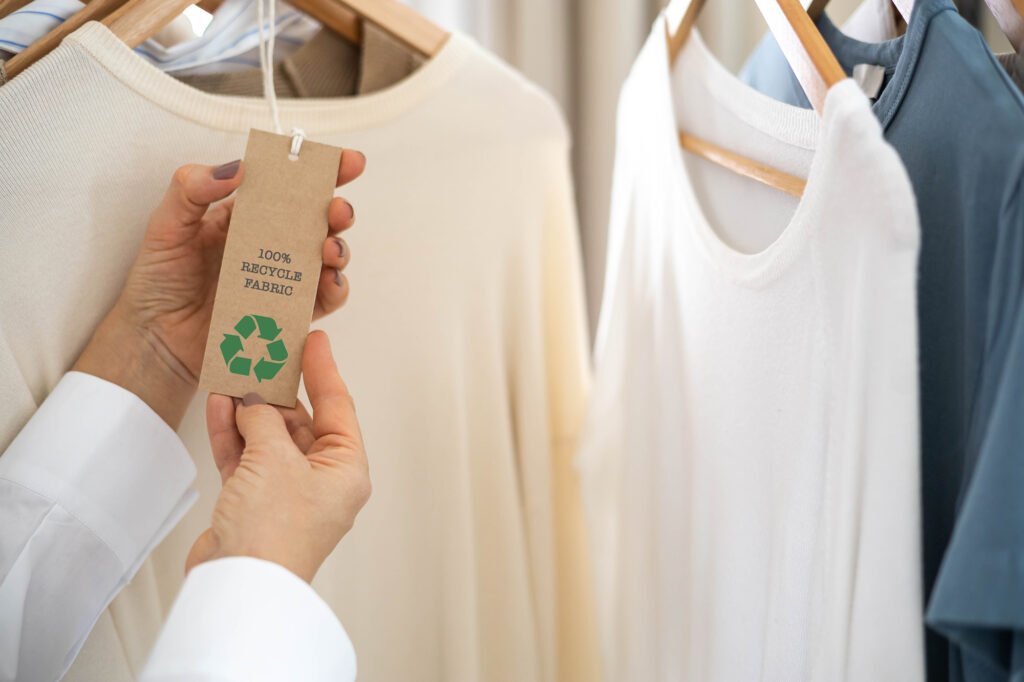
Recycled polyester is another innovative option, produced from post-consumer plastic products. This approach effectively diverts waste from landfills, transforming it into valuable textile materials. Brands implementing this fabric are altering perceptions about fashion waste and promoting circular economy principles. Furthermore, biodegradable materials are paving the way for the future—these fabrics decompose naturally, mitigating the long-term consequences of textile waste.
Emerging technologies are further enhancing the range of materials available to eco-conscious designers. Lab-grown leather, developed through biotechnology, is presenting a cruelty-free alternative to traditional leather. Likewise, algae-based fabrics are gaining traction, utilizing fast-growing algae as a sustainable resource for textile creation. Brands such as Stella McCartney and the biotech company, Modern Meadow, are leading the charge in these innovative materials, creating chic and responsible fashion. The adoption of these eco-friendly materials not only exemplifies sustainability but also emphasizes a shift toward aesthetics and functionality in modern clothing design.
Slow Fashion vs. Fast Fashion: A Cultural Shift
The fashion industry has witnessed a significant cultural shift from fast fashion to slow fashion, which has started to redefine consumer expectations and purchasing behaviors. Fast fashion is characterized by quick production cycles and low prices, often at the expense of quality and sustainability. In contrast, slow fashion prioritizes quality and longevity, emphasizing ethical production methods that advocate for social and environmental responsibility. This paradigm shift is crucial as consumers increasingly seek garments that reflect their values rather than merely following fleeting trends.
One of the noteworthy implications of this transition is the growing demand for eco-friendly fashion trends. As consumers become more aware of the environmental footprint of their purchases, they are gravitating toward brands that adopt sustainable practices. For instance, brands like Patagonia and Eileen Fisher exemplify the slow fashion ethos, focusing on durable materials, fair labor practices, and transparency in their supply chains. These brands encourage consumers to invest in fewer, higher-quality items rather than a multitude of disposable clothing.
The impact of this cultural shift on retailers and manufacturers cannot be overstated. Companies are reevaluating their business models, moving away from mass production to a more responsible approach that values craftsmanship and sustainable sourcing. Industry experts have noted that this transition represents a fundamental change in societal values regarding consumption. As shoppers prioritize ethical considerations, the fashion landscape will continue evolving, with a sustained emphasis on eco-friendly initiatives. Brands are now recognizing that adopting slow fashion principles is not just a trend; it’s becoming integral for long-term viability and success in the market.
How to Embrace Eco-Friendly Fashion in Your Wardrobe
Embracing eco-friendly fashion trends can significantly reduce your environmental impact while helping you cultivate a unique personal style. Start by evaluating your wardrobe and identifying clothing that no longer serves you. Donating gently used items not only benefits others but also clears space for more sustainable options. Consider shopping at thrift stores or participating in clothing swaps to discover pre-loved garments that reflect your individual taste, further slowing down the cycle of fast fashion.
When it’s time to shop for new pieces, prioritize brands that demonstrate a commitment to ethical practices. Look for companies that use sustainable materials, implement fair labor practices, and maintain transparency about their production processes. Understanding certifications related to sustainability, such as GOTS (Global Organic Textile Standard) or Fair Trade, can also guide you in making informed purchases. This knowledge will empower you to support businesses that align with your values, fostering a more responsible fashion industry.
The Rise of Eco-Conscious Fashion in the United States
Another effective way to integrate eco-friendly practices is to explore upcycling. Transforming old garments into new, wearable pieces is a creative process that can enhance your wardrobe while minimizing waste. There are numerous online resources and community workshops available to help you learn the basics of upcycling, allowing you to develop a sense of accomplishment as you personalize your clothing.
Conscious consumerism plays a crucial role in adopting eco-friendly fashion habits. Before purchasing any item, ask yourself whether you truly need it and how it fits into your overall style. By being deliberate with your clothing choices, you will cultivate a wardrobe that is not only stylish but also environmentally responsible. Ultimately, these steps will lead to a more sustainable approach to fashion, contributing positively to both your personal style and the planet.